Harmony Exploit Fallout: Team Weighs Rollback as ONE Supply Skyrockets
After a suspected exploit massively inflated ONE token supply, Harmony's team debates a controversial blockchain rollback to undo the damage.
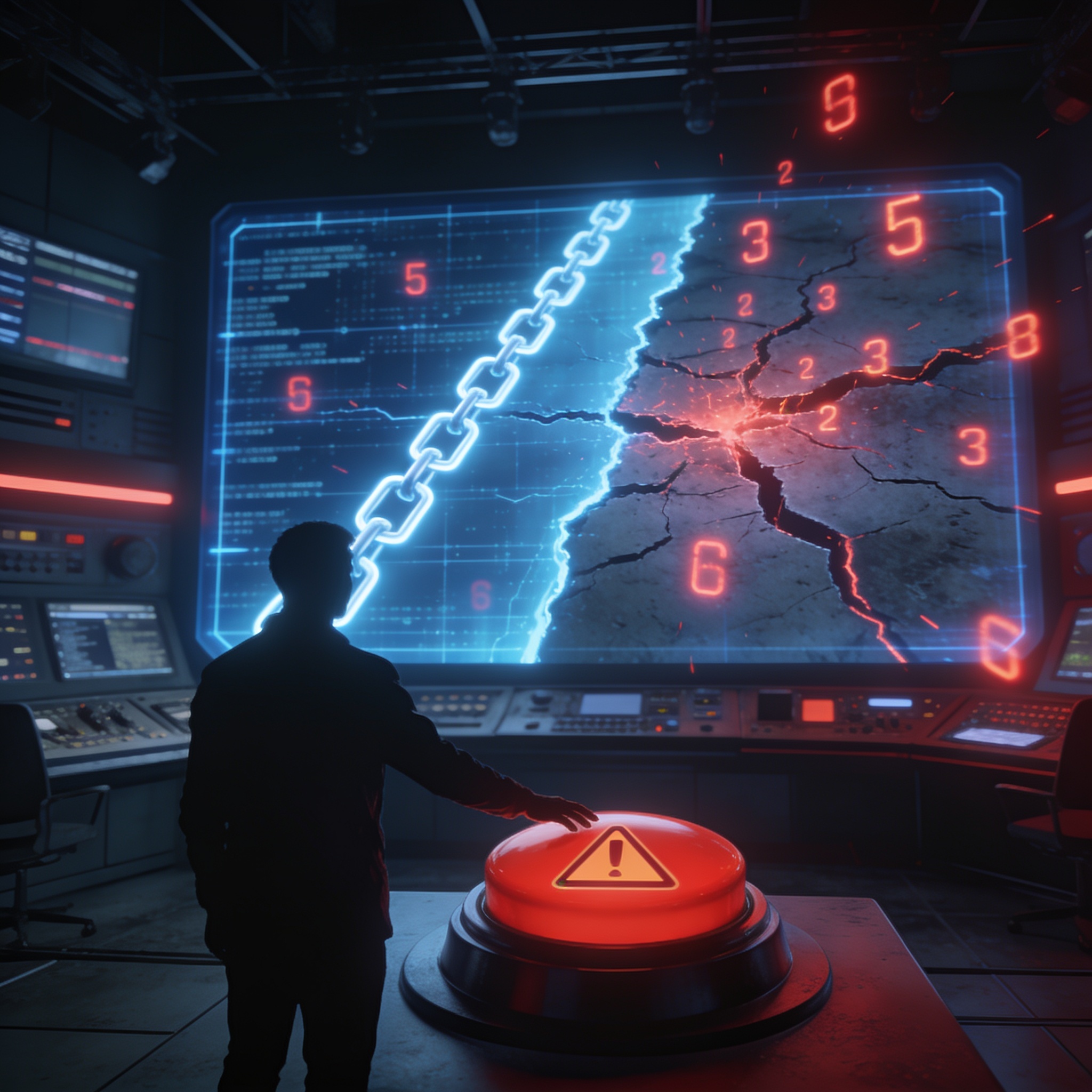
In a move that has sent ripples through the crypto community, the Harmony team has announced it is considering a network rollback following a suspected exploit that artificially inflated the supply of its native ONE token. The incident, which appears to have exploited a vulnerability in the bridge infrastructure, temporarily created an excessive number of tokens, threatening the economic stability of the ecosystem.
The Immutability Debate
The proposal has reignited one of blockchain's most contentious debates: immutability versus pragmatism. Proponents of a rollback argue that reversing the chain to a pre-exploit state is the only way to restore trust and prevent massive dilution for legitimate holders. Opponents, however, warn that such a move sets a dangerous precedent, undermining the core principle that blockchain transactions are irreversible.
- Pros of rollback: Instantly corrects token supply, protects holders who bought at fair market value, and preserves the network's economic integrity.
- Cons of rollback: Violates immutability, may split the community via a hard fork, and could be seen as a centralized response to a decentralized failure.
Harmony's leadership has acknowledged the gravity of the decision, noting that any rollback would require broad consensus from validators and the community. The team has likened the situation to the Ethereum DAO fork of 2016, which ultimately led to the creation of Ethereum Classic — a cautionary tale of how such decisions can fracture a blockchain.
Market reaction has been mixed, with ONE's price initially dropping sharply before stabilizing as traders weigh the potential outcomes. The exploit also highlights the ongoing risks associated with cross-chain bridges, which have become a favorite target for hackers. For Harmony, the immediate focus remains on securing the network while the community votes on whether to roll back the chain — a choice that could shape the project's identity for years to come.